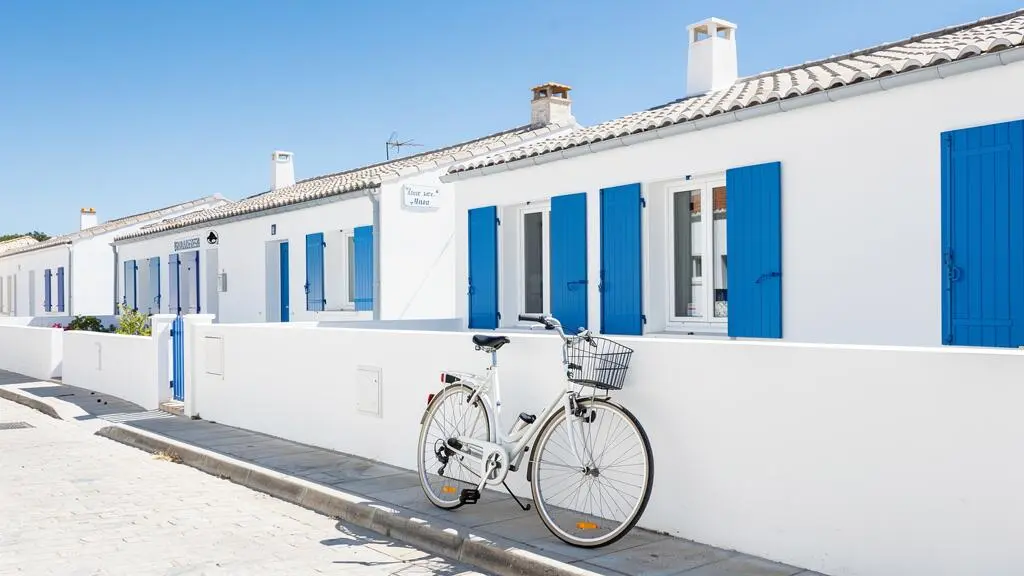
Your villa selection roadmap in 30 seconds:
- Match capacity to group dynamics (bedroom layouts matter more than headcount)
- Choose villages by priority—beach proximity, heritage atmosphere, or peaceful cycling each require trade-offs
- Verify quality beyond glamour photos (check bathroom counts, exact amenities, recent reviews)
- Book six to nine months ahead for July-August 2026 availability
What ‘best’ really means for your Île de Ré stay
The search for the ‘best’ accommodation on Île de Ré starts with a flawed premise. No single property excels across every criterion that matters to different groups. A villa perfect for twelve adults seeking social spaces and evening dining options will frustrate a family of eight prioritising direct beach access for young children. The concept of ‘best’ only becomes meaningful when anchored to your specific circumstances: group composition, activity plans, and whether you value village character over beachfront convenience.
Consider a common scenario: two families booking together, four adults and six children aged three to twelve. A property advertising capacity for ten guests might feature four double bedrooms and one twin—an arrangement leaving parents scrambling to reconfigure beds or separate couples. The distinction between capacity (how many people physically fit) and suitability (how comfortably your actual group lives together) determines whether your fortnight feels relaxed or cramped.
The same principle applies to location. Describing Saint-Martin-de-Ré as ‘the best village’ ignores the fact that its harbour-side charm and dining scene come with a trade-off: beaches sit 1.5 to 2 kilometres away. Quality villas exist across all main villages on Île de Ré, but the right village depends entirely on whether you prioritise cultural immersion, beach access, or tranquil cycling routes.
Matching your group to the right accommodation type
Group size alone provides insufficient guidance for selecting appropriate accommodation. A group of twelve adults shares different spatial needs than eight adults with four young children, yet both might target properties with the same advertised capacity. For groups seeking vetted options across Île de Ré’s villages, curated portfolios of holiday accommodation on Île de Ré offer pre-screened properties spanning capacities from eight to sixteen guests, with weekly rates ranging from €1,260 to €4,900 depending on size and amenities. The key lies in matching your group’s actual dynamics to property features that matter.

- If you have 12 to 16 guests (extended family or large groups):
Focus on properties with a minimum of five bathrooms, separate living zones allowing subgroups to disperse, and substantial outdoor dining space. Weekly budgets typically fall between €3,500 and €4,900. Verify that bedrooms offer genuine separation—clustered rooms sharing thin walls rarely work for mixed-age groups.
- If you have 8 to 10 guests (multi-family groups, two to three couples with children):
Prioritise bedroom privacy with ensuite options, dual living areas so adults and children can separate comfortably, and child-friendly amenities like pool fencing and enclosed gardens. Budgets generally range from €2,200 to €3,800 weekly. Pay close attention to bed configurations—properties with all double beds create problems for families needing twins.
- If you have 6 to 8 guests (small groups prioritising luxury):
Emphasise premium amenities such as heated pools, hot tubs, contemporary interiors, and central village locations within walking distance of restaurants and shops. Weekly rates typically span €1,800 to €3,200. Smaller groups gain leverage to book properties with standout features rather than compromising on quality for capacity.
- If budget consciousness drives your decision (any group size):
Consider shoulder season periods in June or September when weather remains excellent but rates drop, quieter villages like La Couarde-sur-Mer offering better value than Saint-Martin-de-Ré, and properties without premium add-ons like hot tubs or cinema rooms. Weekly rates start from €1,260. Avoiding July-August premiums can reduce costs by 30% or more.
Capacity matching extends beyond numerical alignment to examine how your group will actually function within the space. Multi-generational groups often prioritise bedroom separation—grandparents prefer ensuite privacy away from young children’s noise, whilst parents want proximity to supervise. Properties with clustered bedrooms sharing thin walls rarely satisfy these dynamics, regardless of technically meeting headcount capacity. Similarly, dual living areas matter more than total square meterage: two smaller lounges allow families to separate for children’s activities versus adult conversation, whereas one cavernous open-plan space forces constant negotiation. When evaluating shortlisted properties, map your group’s daily patterns—meal times, children’s sleep schedules, adult socialising preferences—against the villa’s layout to verify genuine compatibility rather than just capacity numbers.
Peak season booking reality for 2026: Quality villas for July and August 2026 are securing reservations now during the January to March window. As Ré à la Hune’s 2025 season analysis confirms, the very high season increasingly starts later (after 20th July) whilst the broader season extends from April through October. If planning peak weeks, shortlist and confirm properties six to nine months ahead. June and September deliver similar weather with markedly better availability.
Request detailed floor plans showing exact bed types, bathroom locations relative to bedrooms, and whether living spaces genuinely allow groups to separate. Properties advertising ‘sleeps twelve’ often mean twelve adults can physically fit, not that twelve people will live comfortably together for a fortnight.
Location decisions: which Île de Ré village suits your plans
Île de Ré’s ten villages each cultivate distinct characters, but selecting accommodation requires categorising them by what you’ll actually prioritise during your stay. The honest approach involves acknowledging trade-offs rather than pretending every location excels at everything.
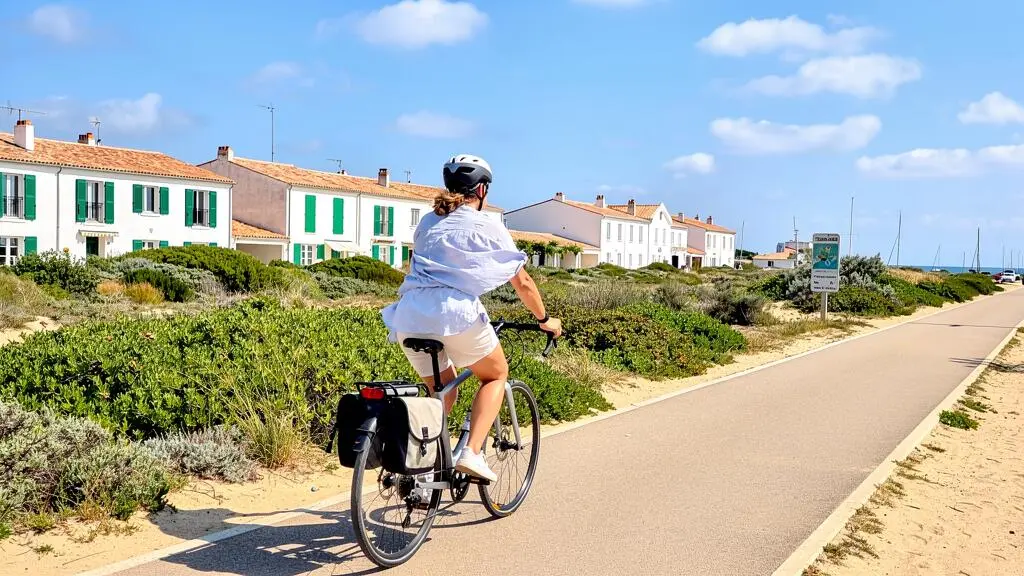
Beach-focused villages (Rivedoux-Plage, Le Bois-Plage-en-Ré): These villages prioritise proximity to southern beaches, with many properties within five to ten minutes’ walk of sand. Rivedoux-Plage offers the most direct beach access and suits families making multiple daily trips with young children. The trade-off: less village charm and dining variety. Ideal if your daily pattern prioritises beach convenience over cultural immersion.
Heritage villages with atmosphere (Saint-Martin-de-Ré, La Flotte): Saint-Martin-de-Ré, with its UNESCO fortifications and vibrant harbour, represents the island’s cultural centrepiece, supporting the strongest concentration of restaurants and boutiques. La Flotte offers smaller-scale harbour charm. Beaches sit 1.5-2km away—manageable by bicycle but a friction point with toddlers or multiple daily trips. Groups prioritising culture over beach frequency thrive here.
Quieter locations for relaxation (Les Portes-en-Ré, La Couarde-sur-Mer): These villages emphasise tranquillity and nature over bustling evening activity. Properties often deliver better value, making them attractive for budget-conscious groups comfortable accepting limited restaurant options and requiring travel for dinner variety.
The comparison below categorises Île de Ré’s villages into three location types based on their primary benefits and inherent trade-offs. Each row identifies which traveller priorities align with that village category, enabling quicker shortlisting based on your group’s non-negotiable needs.
| Village type | Primary benefit | Best suited for | Trade-off accepted | Examples |
|---|---|---|---|---|
| Beach-focused | Direct beach access | Families with young children, daily swimmers, beach equipment | Less village atmosphere and dining variety | Rivedoux-Plage, Le Bois-Plage-en-Ré |
| Heritage charm | Cultural experience, dining, shopping | Couples, culture seekers, groups prioritising atmosphere over beach frequency | 1.5 to 2km distances to quality beaches | Saint-Martin-de-Ré, La Flotte |
| Tranquil retreat | Peace, cycling, nature, better value | Relaxation seekers, nature lovers, cyclists, budget-conscious groups | Limited evening restaurant options, travel required for variety | Les Portes-en-Ré, La Couarde-sur-Mer |
Ensuring quality without overpaying
A common disappointment scenario unfolds when a group arrives at a ‘luxury villa’ only to discover that marketing photos showed the property’s single glamorous angle whilst concealing dated bathrooms, inadequate kitchen equipment, or outdoor furniture quantities insufficient for the advertised capacity. The gap between listing promises and delivered reality costs groups not just money but the first days of their holiday managing frustration and searching for missing amenities.
Quality verification requires moving beyond promotional imagery to examine specific indicators. Recent guest reviews mentioning particular amenities—pool temperature consistency, kitchen appliance functionality, bathroom condition—provide more reliable signals than star ratings or marketing descriptions.
Understanding the broader context of booking luxury villas helps establish baseline expectations for what genuine quality entails versus marketing inflation.
Beyond these general standards, spotting truly exceptional properties requires recognising specific quality markers. The specific skill of identifying prestigious villas versus standard properties dressed up with luxury language applies universally, including across Île de Ré’s competitive rental market.
- Exact bedroom configuration showing double versus twin beds, ensuite bathroom count, and bedroom locations relative to living spaces—not just ‘sleeps X’ capacity
- Recent guest reviews (within six months) specifically mentioning amenities you prioritise, such as pool heating effectiveness, air conditioning coverage, or barbecue quality
- Comprehensive photos covering all bathrooms, complete kitchen facilities, and outdoor furniture quantities—absence of bathroom photos signals quality concerns
- Detailed amenity specifications including barbecue type (gas versus charcoal), outdoor dining table capacity, dishwasher presence, and air conditioning room coverage
- Transparent breakdown of extra costs such as pool heating (typically €150 to €300 weekly), linen provision, final cleaning, and tourist tax per person
- Clear cancellation terms and deposit schedule explicitly stated, not buried in lengthy terms and conditions requiring multiple clicks
- Property management contact responsiveness—test with a specific question about bedroom layouts or amenities before booking, noting response speed and detail quality
Value assessment extends beyond nightly rates to examine what’s genuinely included versus charged separately. A villa listed at €2,800 weekly might require additional payments for pool heating (€250), linen and towels (€180 for ten guests), final cleaning (€200), and tourist tax (€110 for ten guests across a week)—inflating the real cost to €3,540. Properties advertising all-inclusive pricing with transparent breakdowns demonstrate greater confidence in their value proposition than those revealing extra costs only at checkout.
Do all luxury villas include pool heating in the weekly rate?
Pool heating typically incurs additional charges ranging from €150 to €300 per week, rarely included in base rates. Some properties offer heated pools as standard during shoulder seasons when ambient temperatures make unheated pools uncomfortable. Always confirm heating costs explicitly before booking.
Which villages provide the best cycling access for families with young children?
La Couarde-sur-Mer and Le Bois-Plage-en-Ré offer family-friendly cycling networks with flat, protected routes. Saint-Martin-de-Ré provides excellent infrastructure but busier harbour traffic. Les Portes-en-Ré suits confident young cyclists rather than beginners.
Are beaches suitable for young children across all village locations?
Southern beaches provide shallow, gently sloping sands ideal for young children. Northern coast beaches deliver stunning scenery but stronger currents requiring closer supervision.
What does ‘fully equipped kitchen’ actually include in villa listings?
Baseline expectations include hob, oven, refrigerator, and basic cookware. Dishwashers and coffee machines appear inconsistently. Request explicit confirmation of amenities matching your group size.
Can I book a villa for less than one week?
During July and August, villas enforce Saturday-to-Saturday weekly bookings. Shoulder seasons occasionally permit shorter stays of three to four nights. Contact property managers directly for short-stay availability outside peak summer.
- Define your group’s non-negotiable priorities before browsing properties
- Shortlist three to five properties, requesting floor plans and reviews
- Verify total costs including all supplements for genuine comparisons
- Book six to nine months ahead for peak season
Rather than searching for an impossible ‘perfect’ villa, the practical approach involves matching your specific group composition and priorities to properties that excel in the areas you’ll actually use daily. That alignment—not generic luxury claims—determines whether your Île de Ré fortnight delivers genuine relaxation or the frustration of fighting unsuitable spaces and inconvenient locations.